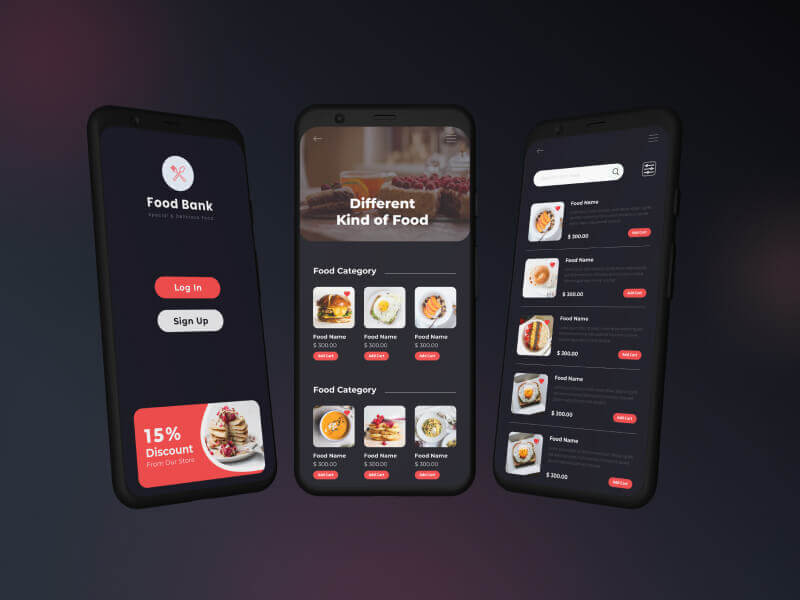
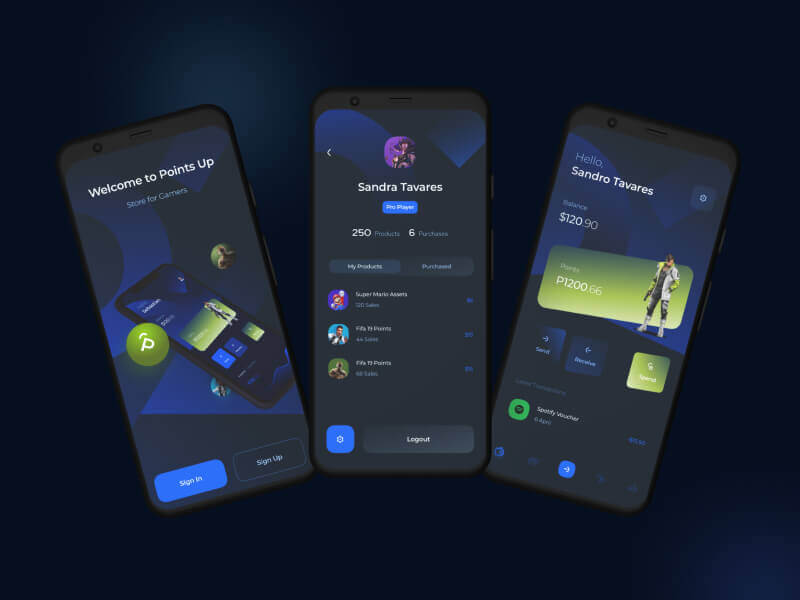
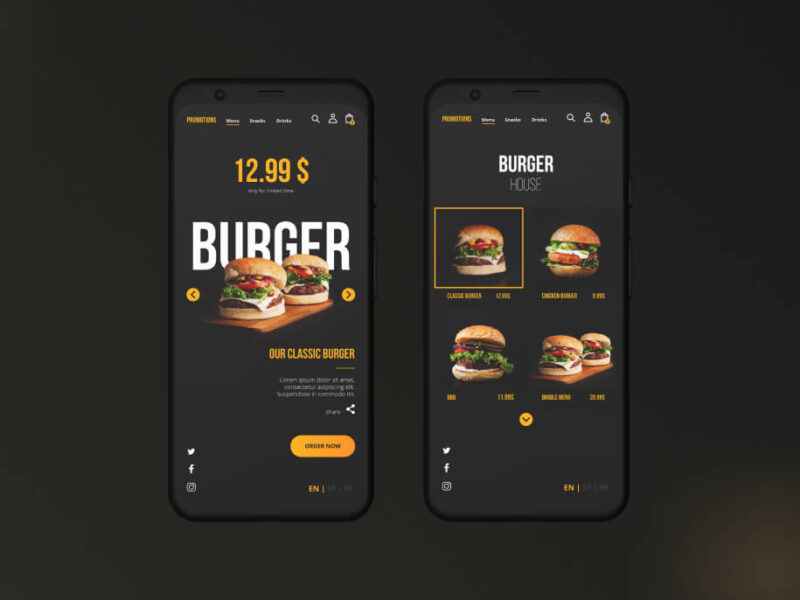
Through a wide variety of mobile applications, we’ve developed a unique visual system and strategy that can be applied across the spectrum of available applications.
Lorem ipsum dolor sit amet, consectetur adipiscing elit, sed do eiusmod tempor incididunt ut labore et dolore magna aliqua. Quis ipsum suspendisse ultrices gravida. Risus commod viverra maecenas accumsan lacus vel facilisis. ut labore et dolore magna aliqua.
There are always some stocks, which illusively scale lofty heights in a given time period. However, the good show doesn’t last for these overblown toxic stocks as their current price is not justified by their fundamental strength.
Toxic companies are usually characterized by huge debt loads and are vulnerable to external shocks. Accurately identifying such bloated stocks and getting rid of them at the right time can protect your portfolio.
Overpricing of these toxic stocks can be attributed to either an irrational enthusiasm surrounding them or some serious fundamental drawbacks. If you own such bubble stocks for an inordinate period of time, you are bound to see a massive erosion of wealth.
However, if you can precisely spot such toxic stocks, you may gain by resorting to an investing strategy called short selling. This strategy allows one to sell a stock first and then buy it when the price falls.
While short selling excels in bear markets, it typically loses money in bull markets.
So, just like identifying stocks with growth potential, pinpointing toxic stocks and offloading them at the right time is crucial to guard one’s portfolio from big losses or make profits by short selling them. Heska Corporation HSKA, Tandem Diabetes Care, Inc. TNDM, Credit Suisse Group CS,Zalando SE ZLNDY and Las Vegas Sands LVS are a few such toxic stocks.Screening Criteria
Here is a winning strategy that will help you to identify overhyped toxic stocks:
Most recent Debt/Equity Ratio greater than the median industry average: High debt/equity ratio implies high leverage. High leverage indicates a huge level of repayment that the company has to make in connection with the debt amount.
Through a wide variety of mobile applications, we’ve developed a unique visual system and strategy that can be applied across the spectrum of available applications.
Most recent Debt/Equity Ratio greater than the median industry average: High debt/equity ratio implies high leverage. High leverage indicates a huge level of repayment that the company has to make in connection with the debt amount.
This project is a custom IoT-enabled power and wireless charging system featuring dual ESP32 modules, AC power control with surge protection, USB/USB-C charging, data logging, and a backup battery system. It integrates a Qi wireless charger based on the ST STEVAL-WBC2TX50 design, a capacitive touch interface, and real-time monitoring through Arduino IoT Cloud. The design was developed in Altium, prototyped, and tested to validate performance.
This project demonstrates the design and development of a custom IoT-enabled hardware platform that combines power management, wireless charging, data logging, and cloud connectivity in a single system. Built around dual ESP32 modules (one for main control and one as a Wi-Fi range extender), the device integrates multiple advanced features for real-world usability and monitoring.
Key Features
AC Power Control: Two 220 V AC plugs with surge detection and protection.
Dual ESP32 Modules:
Primary ESP32 for Wi-Fi + BLE control and system management.
Secondary ESP32 configured as a Wi-Fi range extender for reliable connectivity.
Wireless Charging: Integrated Qi-based 5 W transmitter, developed from the ST STEVAL-WBC2TX50 reference design and customized to fit seamlessly with the system.
Energy Storage & Backup: Built-in rechargeable battery backup system with charge monitoring.
USB Power Outputs: Standard USB-A and USB-C charging ports with current sensing for monitoring charge profiles.
Capacitive Touch Interface: User-friendly and modern touch-based control system.
Data Logging & Real-Time Monitoring:
SD card for local data storage.
RTC (Real-Time Clock) for timestamping events.
Live system monitoring and control through Arduino Cloud IoT integration.
Manufactured PCBManufactured PCB under oscilloscope testing, validating wireless charging and AC power switching
My Contribution
System Architecture: Defined the hardware block diagram and integrated all sub-systems (power, wireless charging, data logging, and connectivity).
Schematic & PCB Design: Captured schematics and created multilayer PCB layouts in Altium Designer, with careful attention to isolation, safety, and EMI considerations.
Hardware Integration: Customized the wireless charging circuit from the ST reference design and integrated it with the rest of the hardware.
Testing & Validation:
Conducted functional testing using an oscilloscope to verify power paths, wireless charging behavior, and surge detection.
Validated cloud connectivity by linking to Arduino IoT Cloud for remote control and data visualization.
Prototype to Testing Stage: Took the design from Altium simulations and PCB fabrication to physical testing and debugging, ensuring reliable performance.
Learning Outcome
This project deepened my expertise in embedded hardware design, IoT system integration, and wireless power electronics. It also demonstrated my ability to combine reference designs with custom hardware, ensuring all subsystems — power, data logging, cloud connectivity, and wireless charging — worked together in a cohesive IoT solution.